Before You Fall for the View, Read the Road: What Your Drive Up the Hill Is Telling You
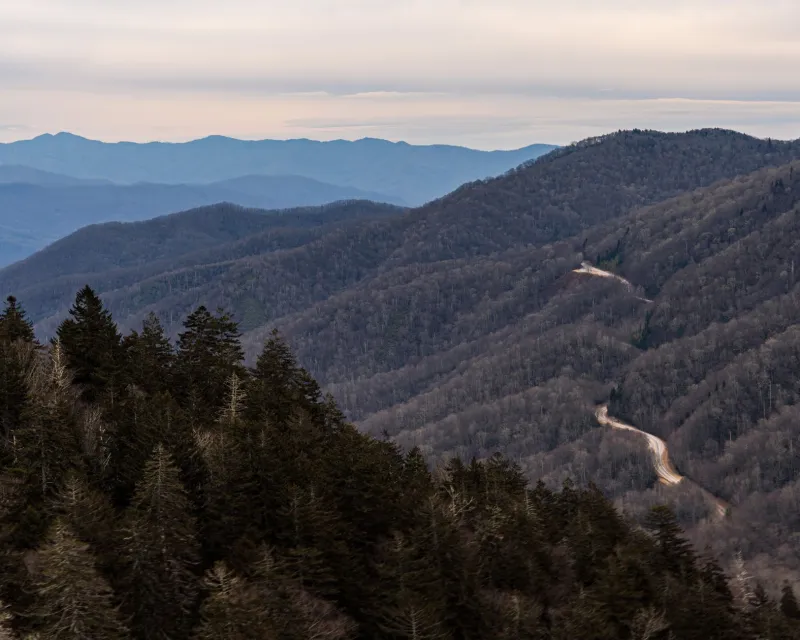
Everybody who comes to Spillway Bridge falls in love the same way. They round the last curve, the trees open up, and the water appears — flat and silver in the morning light — and from that moment on, they're not really looking at the house anymore. They're picturing their coffee mug on that deck.
I get it. I've done it. But here's what a decade of watching folks buy and sell around this lake has taught me: the house will tell you what the seller wants you to know. The road in will tell you the truth.
Drive It Twice, Then Drive It Once More
Any serious buyer should make the trip to a lake property at least three times — and treat each drive like a different kind of reconnaissance.
The first drive is the dream drive. Fine. Enjoy it. Notice the view, imagine the dock, let yourself feel it.
The second drive is where the work starts. Slow down. Is the asphalt smooth or patchwork? Are there potholes deep enough to swallow a golf cart? On gravel roads — and we have plenty of them up here — look at the crown. A well-maintained gravel road has a gentle hump in the middle so water sheds off the sides. A road that's gone flat and rutted tells you nobody's graded it in a while, and grading costs money that somebody, somehow, has to pay for.
The third drive should be after a hard rain, if you can manage it. There's no better test. Water tells you everything. Where it pools, where it cuts channels across the drive, where it rushes down a hill toward somebody's crawlspace — that's the low spot that never makes it into the listing photos.
Who Fixes This Road, and Do They Get Along?
Out here, a huge share of our lake roads are private, which means the neighbors are effectively the department of transportation. That's where things get interesting.
Ask direct questions: Is there a road maintenance agreement in writing, or is it a handshake deal? Is it recorded with the county? How much are annual dues, and — this is the part people skip — does everybody actually pay them?
A road with fresh gravel, clean culverts, and trimmed shoulders usually means the answer is yes. A road with one stretch that's beautiful and another that's a washboard usually means there's a holdout, and holdouts breed resentment the way low spots breed mosquitoes.
I've watched two neighbors on the same cove road go years without speaking over a $300 grading bill. That's not a road problem. That's a community problem, and you'd be buying into it.
The Gate Situation
Gated entries at the lake range from genuinely secure to purely decorative, and the code politics can be their own small government.
If there's a gate, ask who holds codes, how often they change, and what happens when the power goes out — because it does go out up here, especially in ice storms. A keypad that hasn't worked since 2019 and a gate somebody props open with a cinder block tells you the HOA has bigger fights to fight.
Also think practically: can a fire truck or an ambulance actually get through? Some of our prettiest lake lanes have gates and curves that would make a volunteer fire department earn their supper. Ask the local fire department about access ratings — it can affect your insurance more than almost anything else on the property.
Count the Mailboxes, Watch the Yards
Here's a trick that costs nothing: on your third drive, just look.
Are the ditches clear or choked? Are a few houses obviously kept up while others slide toward teardown? A road with three or four neglected properties among a dozen is a road where the maintenance agreement is probably on life support too.
And notice the mailboxes. Multiple names on shared boxes, hand-painted numbers, a general store bulletin board at the bottom of the hill — these are signs of a road where people still talk to each other. Roads where people talk get fixed. Roads where they don't, don't.
The Questions to Ask on Your Way Out
Before you leave that second or third showing, work these into the conversation:
- "Who plows this road in the winter, and is it in the dues?" Snow and ice change everything at elevation.
- "When was the last special assessment, and what was it for?" Every road has one eventually. You want to hear the story.
- "Which stretch floods first?" Every long-time neighbor knows. They'll tell you if you ask.
- "Can I get the road maintenance agreement before I make an offer?" If it's in writing, they can produce it. If they can't, that's your answer.
The Bottom Line
A lake house is a lifestyle purchase, and the road is part of the lifestyle. You'll drive it thousands of times — groceries, guests, the boat trailer, the ambulance you hope you never need. The view stays the same year after year. The road only gets better or worse depending on the people who share it.
So yes, fall for the view. But before you sign anything, read the road. It's been keeping honest records a lot longer than the listing has.