The Dock-Slip Gold Rush: Is Renting Out Your Lakefront a Payday or a Pain?
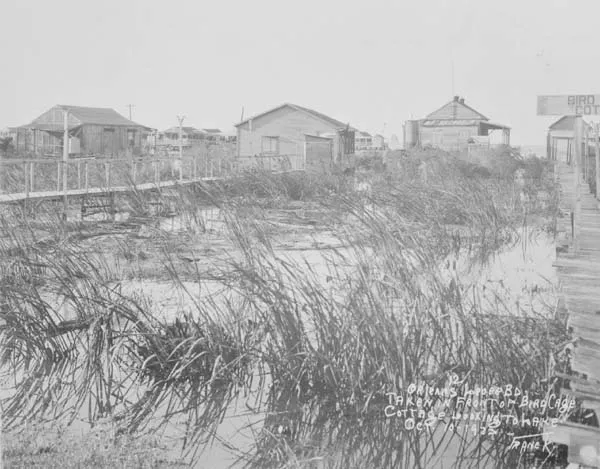
Photo: "Franck", Public domain, via Wikimedia Commons
Let's start with the number everyone wants: a decent three-bedroom lakefront within earshot of the bridge can gross $350 to $500 a night on peak summer weekends. Do the math on a full June-through-August calendar and you're looking at $25,000 or more in gross rental income for the season. That's real money, and it's why half the conversations at the hardware store have turned into side-eye negotiations about parking and quiet hours.
The Money Side of the Ledger
Beyond whole-home rentals, there's a quieter market growing: dock slips. A covered slip with deep water access near the bridge can rent for $150 to $250 a month, and owners with extra slips are cashing in from neighbors and weekenders who can't find marina space. One owner we talked to covers his entire HOA dues and insurance premium with two slip rentals and never has a stranger sleeping in his guest room.
For whole-home rentals, though, gross isn't the story — net is. Subtract cleaning between guests, platform fees, higher insurance (you'll need a short-term rental policy, not a standard homeowner's policy), linen replacement, and the occasional 2 a.m. lockout call, and that $25,000 summer starts looking more like $14,000–$16,000. Still solid. But not passive.
The Wear Nobody Budgets For
Here's where the romance wears off. Rental guests treat a lake house like a hotel with better views — and treat docks, seawalls, and fire pits with corresponding carelessness. We heard about a dock ladder snapped by someone who clearly tied their pontoon to it, a jet ski dragged up a wooden seawall, and enough cigarette butts in fire pits to pave a driveway.
Foot traffic is the other cost. Every renter is another set of feet on your floors, another tank of propane, another weekend of grinders and septic systems running at vacation capacity. A house that might've needed paint every eight years might need it every five.
The Neighbor Problem
And then there's the human side. Longtime residents — folks who moved here for quiet mornings and glassy water — are increasingly vocal about turnover traffic, fireworks on Wednesday nights, and unfamiliar boats running too fast near their docks. A few coves have developed genuine us-versus-them tension, and county commissioners have taken notice. Short-term rental ordinances, registration requirements, and occupancy caps are on agendas across lake country in North Carolina, and something similar could land here. If you're buying specifically to rent, check the current county rules first — the regulatory ground is shifting.
Our Take
Here's the opinion part: renting out a lakefront property can absolutely be a windfall — if you go in with open eyes. The owners who do well treat it like a small business: they screen guests, they set house rules and enforce them, they budget 15% of gross income for maintenance, and they talk to their neighbors before the first booking, not after the first complaint.
The owners who end up bitter are the ones who bought a second home, listed it on a whim, and expected the lake to do the work.
Renting your place by the water isn't free money. It's a trade — your privacy and your property's longevity for income that can meaningfully offset the cost of ownership. For some folks, that trade is a no-brainer. For others, the quiet morning on the deck is worth more than the $400. Know which one you are before you list.