The Hydrant Is Further Than Your Mailbox: Making Sense of Fire Ratings at the Lake

Photo: Yasserius, CC BY-SA 4.0, via Wikimedia Commons
The first insurance quote on a lake house can land like a cold splash. You found the view, the dock, the screened porch. Then the agent asks for the address and comes back with a number that looks more like a city lot with a swimming pool than a quiet place off the main road.
Often the culprit is not the house. It is the address. Specifically, it is how far that address sits from a recognized water supply and a responding fire station, and how the local fire department is rated. Around Spillway Bridge, that distance can be measured in miles, not feet.
The rating is about the neighborhood, not your kitchen
Most insurers lean on a fire protection classification, often called a PPC or protection class, built by Verisk and its ISO line of business. The scale runs from 1 to 10. Class 1 is the gold standard: strong dispatch, a well-equipped career or volunteer department, and a reliable water system with hydrants close at hand. Class 10 generally means the area does not meet the minimum recognized protection criteria.
That number is not a report card on your house. It is a snapshot of the fire protection available to the address. The rating organization looks at three broad pieces: how calls are received and dispatched, the fire department itself, and the water supply. In rural lake country, the water supply piece is usually where the score starts to slide.
A subdivision with municipal hydrants every few hundred feet tells a very different story than a gravel road where the nearest hydrant is at a crossroads store. The lake is full of water, yes. But a lake is not a hydrant. It only helps if the fire department has a safe, all-weather place to draft from it and a plan for hauling that water to the fire.
Five miles is a long way in a tanker
Many volunteer departments serving the Spillway Bridge area rely on tankers and tenders. A pumper rolls to the scene, but the water often comes in a shuttle: one truck fills at a drafting site, drives to the fire, dumps into a portable tank, and heads back for more. It works. It is also slower and more labor-intensive than clipping a hose to a hydrant.
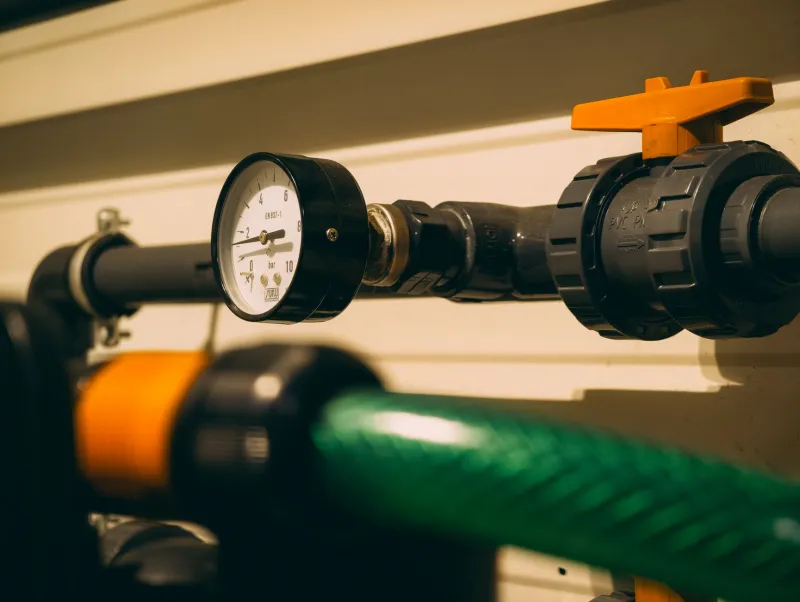
That is why a dry hydrant at a pond or lake access point matters. A dry hydrant is basically a pipe installed to a reliable water source with a connection the pumper can use. It can turn a pond into a workable supply. A private pond on your own property can be helpful, but it does not automatically rewrite your insurance rating. The department needs safe access, a year-round water level, and a pre-planned way to use it. Ask whether the pond is actually recognized as a drafting site, not just admired from the deck.
Distance to the station matters too. A common benchmark in rating work is five road miles from the responding station, though the details are more complicated than a single number. If your house sits at the end of a long private road, or across a county line from the station that actually responds, the drive can be longer than the map suggests.
The driveway is part of the fire rating whether you like it or not
A fire rating can look fine on paper and still fall apart at the gate. Apparatus needs width, clearance, and a place to turn around. A steep gravel drive with a soft shoulder is not the same as a paved circle. A wooden bridge with a posted weight limit may not carry a loaded tanker. Low tree limbs can stop a tall truck just as surely as a locked gate.
When you are buying, walk the drive with fire access in mind. Can a large truck get in? Can it get out without backing down a quarter mile? Is there a turnaround wide enough for a three-point turn, or better? Is the address visible from the road at night? These details do not just affect insurance. They affect whether help arrives efficiently.
Your local volunteer department may be willing to look at the driveway and the address before you close. Call the non-emergency line, be patient, and ask. Do not expect a formal inspection on short notice. Do expect practical answers from people who drive those roads every week.
Why two nearby houses can quote differently
Two lake houses a mile apart can have different protection classes if one is within a commonly used distance of a hydrant or recognized draft site and the other is not. They can also differ because they are in different fire districts, because one driveway is accessible and the other is not, or because the rating uses a split classification for properties beyond a certain distance.
Then the insurance side adds its own variables: replacement cost, roof age, claims history, deductible, credit-based insurance score where allowed, and the carrier's appetite for rural property. One company may treat a class 9 address as ordinary. Another may decline it or write a dwelling fire policy instead of a standard homeowners policy. That is not necessarily a crisis, but it is a different product with different coverage. Read the policy form, not just the premium.
This is why the district's headline rating is not enough. You want the address-specific answer. Ask your agent to confirm the protection class the quote is using and whether the carrier has verified the address. Ask what happens if the rating changes or if the department's water supply plan changes.
What to ask before you fall for the view
Start with the fire department that would actually respond. Ask which station covers the address, whether there is a hydrant or recognized drafting site within a reasonable distance, and whether the department has any concerns about the driveway or bridge. Ask if the property is in a tanker shuttle area. Ask whether a private pond or cistern would be considered, and what access would be required.
Then call your insurer before you write the offer, or at least during the due diligence period. In North Carolina, that period is your chance to get a written quote and ask hard questions. Do not assume the seller's insurance rate will follow the house. Rates change, carriers change, and the next owner may not qualify for the same policy.
If the quote comes back high, do not panic and do not automatically walk. Find out why. Sometimes the answer is a class 10 rating that a different carrier will handle. Sometimes it is a driveway issue you can fix. Sometimes it is simply the cost of living beyond the hydrant line, and the seller's price should reflect it.
The lake is the reason you are looking out there. The fire rating is the reason the quote looks the way it does. Both are part of the same address. Get the number before you get attached to the porch.