The Fine Print Nobody Reads: Insurance Questions to Ask Before You Buy That Lakefront Place

Photo: Ian Taylor, CC BY-SA 2.0, via Wikimedia Commons
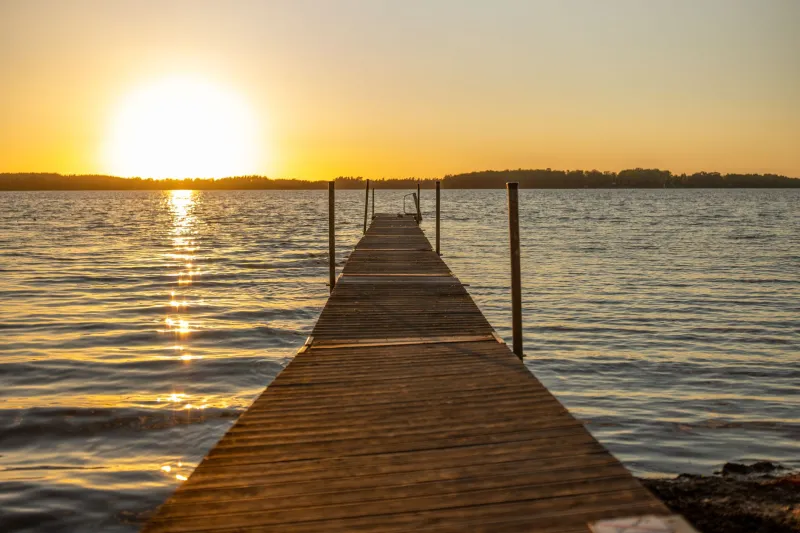
Every lakefront buyer falls in love the same way. You pull up to a listing off the main road, walk out back, and there it is — the water, glittering in the afternoon sun, with maybe a dock sitting there like it's already yours.
What you don't see from the backyard is the paperwork. And around Spillway Bridge, that paperwork has a way of surprising people who've never owned property on the water before.
We talked with local agents and combed through the questions buyers most often wish they'd asked sooner. Here's the honest version.
Flood Zones Aren't All Created Equal
The phrase "flood zone" sounds like a dealbreaker, but it's really a spectrum. A home perched on a sloped lot thirty feet above full pond sits in a very different risk category than a level lot where the waterline creeps close in a wet spring.
Two things to nail down before you commit:
- Get the actual FEMA map designation for the specific parcel, not the general neighborhood. Boundaries can split a single street.
- Ask whether the lender will require flood insurance. Even if it's not required, agents around here will tell you it's worth pricing anyway. Water finds a way.
Standard homeowner's policies do not cover flood damage. That's a standalone policy, usually through the National Flood Insurance Program or a private carrier. Premiums can range from a few hundred dollars a year to well over a thousand, depending on elevation and history.
Your Dock Is a Liability Magnet
That beautiful pier is technically a structure — and sometimes a hangout spot for every kid in the cove. It carries real liability exposure.
Key questions for your insurance agent:
- Is the dock covered under my policy, or does it need a separate rider?
- What happens if a guest slips on a wet board or gets injured diving off the end?
- Am I covered if a boat breaks loose from my dock and damages a neighbor's?
If the dock is older, ask about condition requirements too. Some carriers want an inspection before they'll extend coverage, especially for structures over open water.
Erosion: The Slow-Motion Surprise
Erosion doesn't make headlines the way storms do, but it can quietly eat away at a shoreline — and at your lot line. Most homeowner's policies exclude earth movement and gradual erosion entirely.
When you tour a property, look for telltale signs: exposed roots along the bank, a seawall or riprap that's tilting, ground that drops off suddenly near the water. Repairing or reinforcing a shoreline can run into the tens of thousands of dollars, and insurance rarely helps. Build that possibility into your offer price.
Water-View vs. Water-Access: The Premium Gap
Not every lake-adjacent home carries lakefront insurance costs. A house with a water view and no direct shoreline typically skips flood-adjacent exposure and dock liability altogether. A deeded boat slip a short drive away gives you the lake lifestyle without the waterfront risk profile.
Here's a quick checklist for comparing the two before you buy:
- Request a quote for the exact address, not an estimate
- Confirm the FEMA flood zone and whether flood coverage is lender-required
- Ask if the dock (if any) needs a separate rider or inspection
- Check the claims history on the property — prior water claims matter
- Price out erosion or shoreline repair risk with a local inspector
- Compare the same coverage limits across water-view and water-access homes so you're seeing a true apples-to-apples gap
Run those numbers alongside your mortgage estimate and you'll have a far more honest picture of what lake living actually costs per month.
One Last Thing
Insurance on the water isn't scary — it's just specific. The buyers who get burned are the ones who treat it as an afterthought, signed at closing and forgotten. The buyers who thrive ask their agent blunt questions early, then get back to the fun part: picking out the pontoon.
If you're weighing a move to the Spillway Bridge area and want a straight answer on what a particular property will cost to protect, start with the checklist above. Your future self, sipping coffee on a dock that's fully covered, will thank you.