Shared Gravel, Shared Risk: Untangling Private Lake Road Maintenance Before You Buy
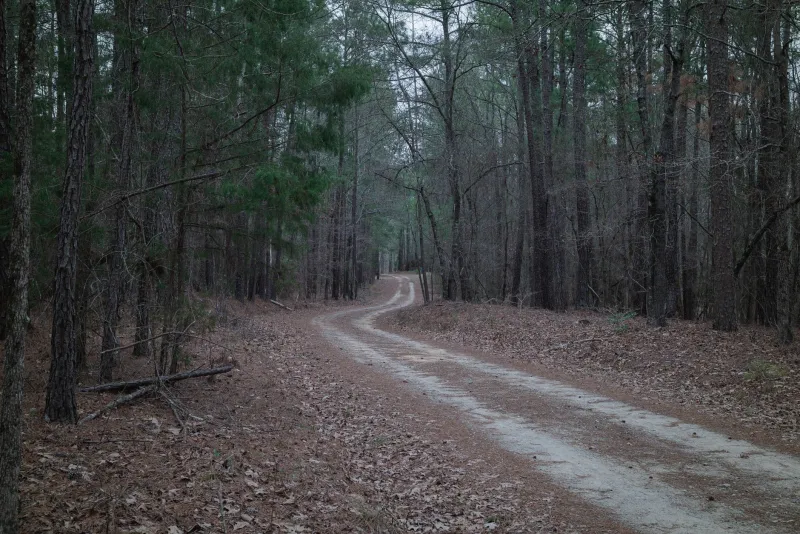
You have found the one. The house sits just off the water, the trees open up, and the last quarter mile is a narrow ribbon of gravel that feels like the official start of lake life. Then your agent says something like, 'There is a road association,' and you nod as if you know exactly what that means.
Most buyers do not. Around Spillway Bridge, plenty of lake properties sit on private roads maintained by a patchwork of formal associations, shared easement agreements, and arrangements that are closer to a neighborhood handshake than a legal entity. None of that is automatically a problem. It is only a problem when you assume someone else is handling the gravel, the drainage, the brush, and the bill.
Here is how to pull back the curtain before closing.
The Three Flavors of Private Road
Out here, private road maintenance tends to land in one of three buckets.
A formal road association. This is the closest thing to an invisible HOA. There may be bylaws, annual dues, a treasurer, meeting minutes, and a recorded maintenance agreement. Dues vary widely—some neighborhoods collect a couple hundred dollars a year, while steeper roads with serious drainage needs can run well into four figures in 2026. The key is that someone is keeping books.
A shared easement with a written maintenance agreement. Several parcels use the same access easement, and the owners have signed an agreement splitting costs. This can work beautifully, but it depends on the language. Who is responsible for what? What happens if one owner refuses to pay? Is the obligation recorded with the deed so it runs with the land?
The handshake. Everyone chips in when the road gets bad. Someone knows a guy with a grader. Someone else has a tractor. It has worked for years, maybe decades, and it may keep working. But a handshake is not a budget, a reserve fund, or a plan for the February morning when the culvert plugs and the road washes out.
Why the Invisible HOA Matters at Closing
Lenders and title companies care about access. Appraisers care about access. Your future self cares about access when an ambulance needs to find the house or when a delivery truck refuses to come up the hill.
If the road is private, the condition of that road is part of the property's value whether it shows up in the listing photos or not. A washed-out culvert can turn a dream purchase into a five-figure repair conversation with neighbors you have not even met yet. A road maintained by nobody can be a road maintained by you, by default, because you are the one who needs to get to work.
That is why the paperwork matters more than the scenery. Ask for the road maintenance agreement, the association bylaws if there is one, the current budget, recent meeting minutes, and any record of special assessments. If the seller says there is no paperwork, treat that as information, not a dead end. It tells you what kind of arrangement you are stepping into.
Questions to Ask the Seller
Start with the basics, and ask for answers in writing.
- Who owns the road? Is it a private right-of-way across someone else's parcel, or a parcel owned by the association?
- Is there a written maintenance agreement, and is it recorded with the county?
- Are there annual dues? How much, how often, and who collects them?
- What was the last major repair, when did it happen, and how was it paid for?
- Are there any pending special assessments or disputes over cost-sharing?
- Who handles snow and ice, if anyone?
- Who maintains drainage ditches, culverts, and brush along the right-of-way?
- Have there ever been access problems, washouts, or neighbor disagreements about the road?
- Can you provide the last twelve months of road receipts or association financials?
A seller who has lived there for years should be able to answer most of these. If they cannot, your next calls matter even more.
Questions to Ask the Neighbors
Neighbors are often more candid than paperwork. Knock on a few doors or catch people at the mailbox. Ask how often the road gets graded, who does it, and whether everyone actually pays. Ask what happens after a heavy rain. Ask if anyone has ever been stranded. Ask whether the road committee is active or whether it exists mostly on paper.
You are not being nosy. You are doing the same thing you would do before buying a boat with a shared slip: finding out who handles the upkeep and whether the group is functional.
Questions for the County
The Register of Deeds is your friend. Pull the plat and the recorded easements. Look for maintenance language, not just a path across a parcel. The planning or zoning office can tell you whether the road meets local standards or whether it is considered a private access road. The tax office can help identify who owns the underlying land. Emergency services may have notes about addressing and access. And the North Carolina Department of Transportation can confirm whether the road is state-maintained—which, in most cases around here, it is not.
Red Flags Worth Taking Seriously
Be cautious if the road crosses multiple parcels with no written agreement, if the maintenance obligation is vague, if the culvert is undersized or the drainage runs onto a neighbor's yard, or if the grade is steep enough that winter access becomes a real question. A gate, a narrow bridge, or a turnaround that barely fits a pickup are not deal-breakers by themselves, but they are details to price into your decision.
What to Do Before You Sign
Have a real estate attorney review the easement and any association documents. Ask for an estoppel letter if there is a formal association, confirming dues and assessments. Walk the road with the seller and take photos. Confirm in writing who is responsible for what. And build a small road reserve into your budget, because shared gravel is still gravel, and gravel eventually needs money.
A private lake road is a shared utility. The view is yours. The access is a group project. Know your share before you buy.