Bare Trees, Honest Docks: The Case for House Hunting at the Lake This Winter
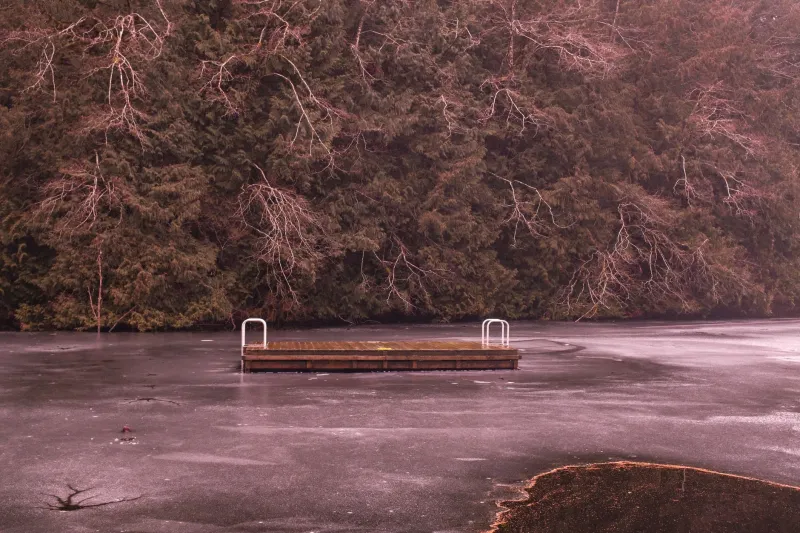
There's a moment every December when the lake goes quiet. The pontoon boats are shrink-wrapped, the vacation rentals have thinned out, and half the docks along the shoreline sit empty with their ladders pulled up for the season.
If you're thinking about buying a place on the water, that quiet is exactly when you should be paying attention.
Summer Sells a Fantasy. Winter Shows the Property.
Nobody puts a lake house on the market in July without a plan. The staging is flawless, the hydrangeas are blooming, and that cove looks like a screensaver. You tour the place at golden hour, imagine Fourth of July fireworks off the back deck, and before you know it you're drafting an offer.
Come January, the trickery mostly evaporates. Leaves are down, so you can see the actual lay of the land — the neighbor's shed, the power lines, the slope you'd be mowing. Water levels tend to sit at their winter drawdown, which means the waterline is where the shoreline is most exposed. You'll see things a June showing would never reveal.
What to Look For When the Lake Is Low
Winter is inspection season, whether you're a pro or not. Walk the shoreline and take your time. A few things worth a closer look:
Erosion clues. Look for exposed tree roots, soil banks that slump toward the water, and sediment fans where a washout has dumped dirt into the lake. A little natural wear is normal. A raw, undercut bank behind the boathouse is a project with a price tag.
Dock condition. With furniture and kayaks gone, you can actually see the structure. Check for pilings that wobble, crossmembers with soft or splintering wood, and rust bleeding down from fasteners. If the dock is floating, look at the flotation drums — cracked or waterlogged ones mean the whole system is aging out.
Drainage paths. Rain in winter follows gravity honestly. Notice where water runs off the roof and yard. If it's carving a channel straight toward the foundation or the bank, you've learned something important.
The septic field. Bare ground makes it easier to spot soggy patches, standing water, or unusually lush grass over the drain field — all hints that the system may need attention before spring.
Motivated Sellers, Thinner Crowds
There's a practical side to all this too. Listings that linger through the holidays tend to carry sellers who are, let's say, negotiable. A waterfront property that's been sitting since September often comes with a price that's moved — or a seller who's ready to move it.
Meanwhile, the competition shrinks. Spring brings the annual wave of buyers who toured in warm weather and are now ready to write offers. In January, you might be one of two people looking at a place instead of one of twelve. That's leverage.
Locally, we've watched this rhythm repeat for years: inventory trickles out in late fall, sits through winter, and prices firm up again once the dogwoods bloom. Historically, the November-to-March stretch around the lake has produced some of the more reasonable closing numbers — not because the market is broken, but because the buyer pool dries up while the willing sellers don't.
The Financing and Logistics Angle
A couple of practical notes if you shop in the off-season:
- Lenders and inspectors have breathing room. Appraisals and water-related inspections (docks, seawalls, well and septic) often get scheduled faster in winter than during the spring logjam.
- You can close before the rush and take possession before boating season. There's real value in having a full spring to plan dock repairs, shoreline work, or a remodel — with contractors who aren't yet booked solid.
- Utility bills don't lie in winter. Ask to see heating costs from December through February. A drafty lake cottage will confess itself in January.
One Honest Caveat
Winter isn't all leverage and clear sightlines. Some properties don't show well with gray skies and dead lawns, and you'll need to use imagination — or come back in April — to picture the summer version. And if a place looks rough in January, assume it looks rougher in a hard rain. That's not a reason to skip it. That's the point.
The buyers who do well at the lake tend to be the ones who saw the property at its most exposed and bought it anyway — with a negotiated number that accounted for what they found.
So bundle up, bring a flashlight and a pair of waterproof boots, and go walk some docks. The lake isn't going anywhere. Neither is the truth about what you're buying.