The Boat Needs an Address Too: Sizing Up Driveways and Winter Storage at Spillway Bridge
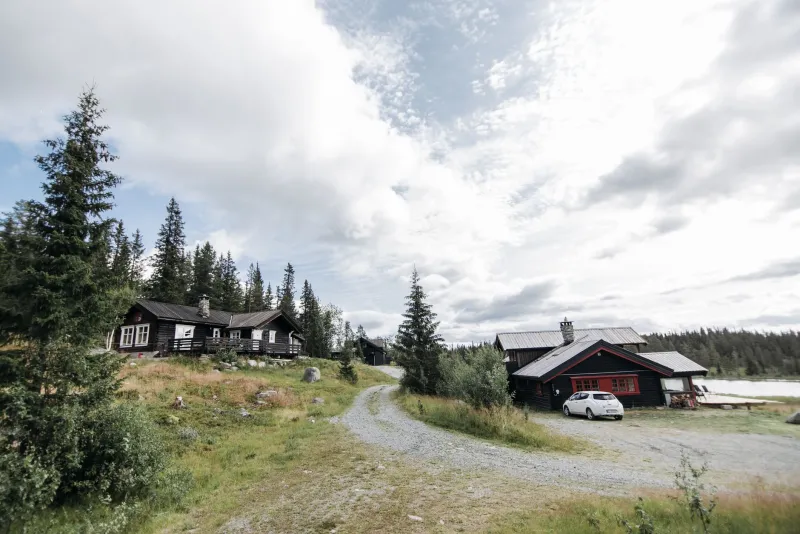
You pull into a listing off the Spillway Bridge road and the sedan glides right up to the carport. The view opens up. The dock is a short walk. Everything feels right—until you picture your twenty-one-foot bowrider sitting where the Honda is parked. That's when the questions start.
Most buyers spend their walk-through measuring the kitchen island and checking the water pressure. The driveway gets a glance. The boat, if it gets mentioned at all, is an afterthought—a toy to be dealt with later. But at Spillway Bridge, the boat is not a toy. It's a second vehicle with a longer wheelbase, a worse turning circle, and a home address that has to work twelve months a year.
The Sedan Test Is Not the Boat Test
A driveway that welcomes a sedan can still reject a trailer. Sedans need width and a reasonable slope. Trailers need all that plus turning room, overhead clearance, and a place to sit when they are not in the water. A gravel drive that feels charming on a sunny Saturday can become a slip-and-slide in February, especially on the red clay that shows up around these parts. If the listing agent says the drive is fine, ask fine for what. A minivan is not the same as a truck plus a trailer.
Grade: The Slope You Feel in Your Calves
Walk the drive instead of driving it. Pay attention to the pitch. A gentle rise from the road is one thing; a steep pitch that makes you lean forward is another. Trailers add tongue weight, and wet leaves or a slick patch can turn a manageable grade into a two-person job. Look for where water runs after a storm. A culvert that works for a car may not handle the ruts a trailer makes. If the drive is steep and unpaved, factor in four-wheel drive, better gravel, or both. That is not a deal breaker—just a line item.
Turn Radius: The Part the Listing Photos Skip
Backing a trailer is a skill, but a driveway should not demand a miracle. Stand at the bottom and imagine the swing. Is there a culvert, a mailbox, a stone wall, or a stand of laurel that pinches the entrance? Can a trailer clear the corner without putting a tire in the ditch? Measure the width at the narrowest point. Eight feet is tight. Ten is better. Twelve feels like a luxury. Also check the apron where the drive meets the road. A steep shoulder or a deep swale can scrape a trailer jack or leave you spinning.
Overhead: Limbs, Lines, and the Quiet Clearance Issue
Look up. Oak limbs, pine boughs, and power lines all matter. A trailer plus a boat on top can run twelve to fourteen feet tall, depending on the model. Branches that clear a pickup may not clear a T-top or a bimini frame. Trimming is possible, but the power company has its own rules about lines. If the only route to the backyard runs under a low limb, you have found a hidden project. Check the height before you check the view.
Turnaround: Forward Is a Feature
Can you turn around at the top, or do you have to back down to the road? Backing down a long, curving drive is not just inconvenient. It is a safety issue when the road is a blind curve and the neighbor's kids ride bikes on a Saturday morning. A turnaround pad, a wide gravel apron, or a loop makes lake life easier. If the only option is backing out, ask yourself how often you plan to launch and retrieve. A few times a season is one thing. Every weekend is another.
Where the Boat Sleeps From November to April
The driveway is only half the story. Where does the boat go when the water gets cold? Some folks have a garage deep enough to fit a trailer. Some have a carport or a side yard that works. Others rely on off-site storage within a short drive of the Spillway Bridge launch. Each has a cost, and not just money. Check the neighborhood covenants before you assume a boat can sit in the side yard. Some subdivisions have rules about visibility, setbacks, and how long a trailer can stay parked. Ask now, not after the closing. Also ask about winterization and whether the storage spot is secure enough to leave gear on board.
Easements, Neighbors, and the Gravel You Do Not Own
A lot of Spillway Bridge properties share a private drive or a gravel easement. That can be fine, but it needs a document and a conversation. Who maintains the gravel? Who plows after a rare snow? Who fixes the culvert when it washes out? If the drive is shared with a neighbor, ask to see the maintenance agreement. A handshake is nice. A written easement is better. And if the boat needs to turn around in a shared space, make sure that space is actually part of your access rights.
A Five-Minute Walk-Through Before You Offer
Bring a tape measure and a flashlight. Measure the narrowest width. Walk the grade. Look up at the limbs. Count the feet of turnaround space. Ask the seller where they kept their boat and how they launched it. If you can, bring a friend with a trailer and see if it fits. That sounds like overkill until you are the one backing down a hill at dusk with a boat full of gear. It is not overkill. It is a five-minute test that can save a five-figure mistake.
The Bottom Line
The boat is part of the household. Give it the same attention you give the kitchen. A Spillway Bridge lake house is not just a place to sit and look at the water. It is a place where the trailer has to live, turn, and launch without turning every weekend into a puzzle. Measure the drive like a trailer owner. Then fall for the view.