Four Sets of Keys, One Lake House: How Co-Ownership Really Works at Spillway Bridge

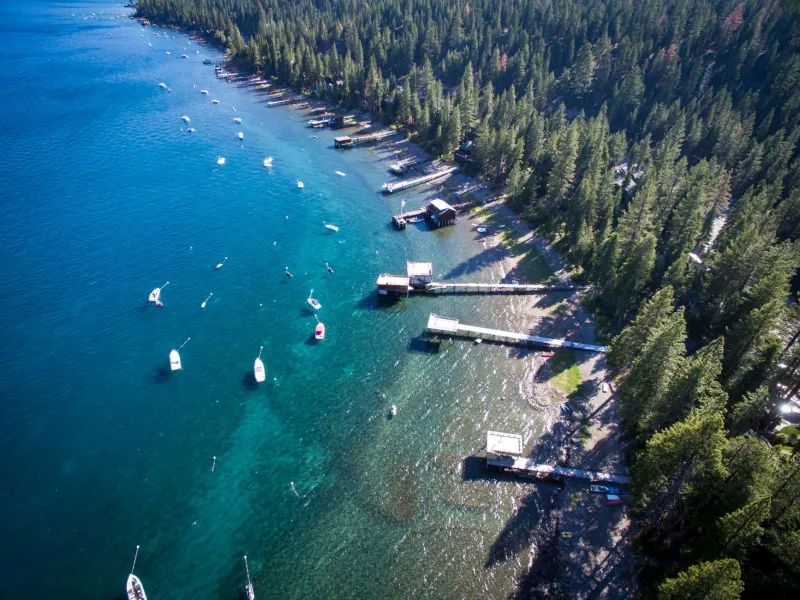
Photo: Philip Nalangan, CC BY 4.0, via Wikimedia Commons
Buying a lake house with someone else is a little like splitting a boat: the fun is obvious, and the arguments usually start over gas money, weekends, and who left the cooler out in the rain. At Spillway Bridge, where the water draws people together and the practical realities of docks, septic systems, and seasonal crowds do not disappear just because everybody gets along at Thanksgiving, co-ownership deserves more than a handshake and a group text.
More buyers are pooling resources to get onto the lake. Siblings combine inheritances. Friends split a down payment. Parents and adult children buy a place that can serve several households. It can be a smart way to make lakefront living possible in 2026, but only if the group treats the purchase like a small business partnership with a very good view.
Start With the Deed, Not the Dock
The legal structure you choose affects who owns what, what happens when someone dies, and how easy it is to get out. In North Carolina, three common arrangements come up again and again.
Joint tenancy with right of survivorship means each owner holds an equal share, and when one owner dies, that share passes to the surviving owners rather than to the deceased owner's heirs. For married couples, tenancy by the entirety is a related option with its own protections. Joint tenancy can feel simple and tidy, but it can also create surprises if the owners are not married and have different estate-planning goals.
Tenancy in common lets owners hold different percentage shares. One sibling might own 50 percent, another 25 percent, and a friend 25 percent. Each owner can generally sell or leave their share to heirs, which is flexible but can also mean a new co-owner enters the picture without everyone else's blessing.
A limited liability company adds a layer between the owners and the property. The LLC holds title, and the members own the company according to an operating agreement. That agreement can spell out contributions, decision-making, scheduling, buyouts, and what happens if someone stops paying. The tradeoff is more paperwork, annual fees, and tax filings. For groups with uneven contributions or long-term plans, though, that structure can prevent a lot of headaches.
This is not a place for internet guesswork. A North Carolina real estate attorney should draft or review the deed and any co-ownership agreement. The point is not to assume everyone will fight. The point is to make the rules clear while everyone is still speaking.
The Calendar Is the Real Test
At Spillway Bridge, the lake has rhythms. Spring wakes things up. Summer fills the water and the roads. Fall brings quieter weekends and football on the porch. Winter strips the trees back and makes some houses feel more remote. A fair-use calendar should account for all of it, not just the July Fourth week everybody already has circled.
A workable schedule usually includes more than a rotating list of weekends. It should address holiday weekends, school breaks, spontaneous day trips, guests, pets, maintenance weekends, and quiet-season use. Some groups rotate priority annually so the same family does not always get the best summer week. Others assign specific weeks permanently and trade when needed. Neither method is wrong, but the method needs to be written down.
It also helps to name a scheduler. One person keeps the shared calendar current and confirms requests. That sounds officious until two families show up with groceries for the same weekend.
Money Talks Before the First Repair
Shared ownership can fall apart over a $600 septic pump or a $6,000 dock repair. Set up a clear system before closing.
- Operating account: Each owner contributes a monthly or quarterly amount for taxes, insurance, utilities, routine maintenance, and reserves.
- Reserve fund: Lake houses need reserves. Docks, septic systems, roofs, and HVAC equipment do not fail on a convenient schedule.
- Approval thresholds: Decide what one owner can authorize alone and what requires a group vote. A lightbulb is different from a new dock.
- Uneven contributions: If one owner pays more down or covers more repairs, document whether that is a gift, a loan, or an increased ownership share.
- Insurance: The policy should list all owners and address rental use, guests, docks, and liability. Ask specifically how the insurer handles shared ownership.
At the lake, those numbers have local flavor. Septic systems can be fussy, especially in older homes and on lots with tight soils. Docks need maintenance and may be subject to shoreline rules, association expectations, or permit questions. A shared budget should reflect the property you actually own, not a generic suburban house.
Exit Plans Are Not Pessimistic
Every co-ownership agreement needs an exit strategy. What if one owner wants to sell and the others do not? What if someone dies? What if a member stops paying? What if someone wants to rent their share or bring in a new co-owner?
A good agreement can include a right of first refusal, a buyout formula, a process for appraisals, notice periods, and rules for transfers. It can also set a minimum decision timeline so one impatient owner cannot force a rushed sale at the worst moment. If the group is using an LLC, the operating agreement should carry these terms.
The Spillway Bridge Reality Check
Co-ownership works best here when the group is honest about how the lake is actually used. A house that shines for a summer vacation may be a poor fit for four families who all want July. A dock that seems generous on paper may create friction when everyone wants boat access on Saturday morning. Winter drawdown, seasonal road traffic, and the quieter months all affect how often people show up and what they expect.
Before anyone signs, spend a weekend together at the lake. Not a vacation weekend with everything catered by the group's most organized member. A normal weekend with chores, grocery runs, kids, dogs, and a plan to clean up. If the group can handle a rainy Saturday and a clogged kitchen sink without a summit meeting, that is a good sign.
Four names on a deed can be a wonderful thing. It can turn a stretch of shoreline into a place cousins remember for decades. But the magic is not in the deed alone. It is in the calendar, the reserve fund, the written exit plan, and the willingness to talk about the unglamorous parts before the first summer. At Spillway Bridge, the water will still be there. The smart move is to make sure the partnership is built to last as long as the view.