One Full Season First: What a Spillway Bridge Rental Teaches You That a Weekend Showing Can't

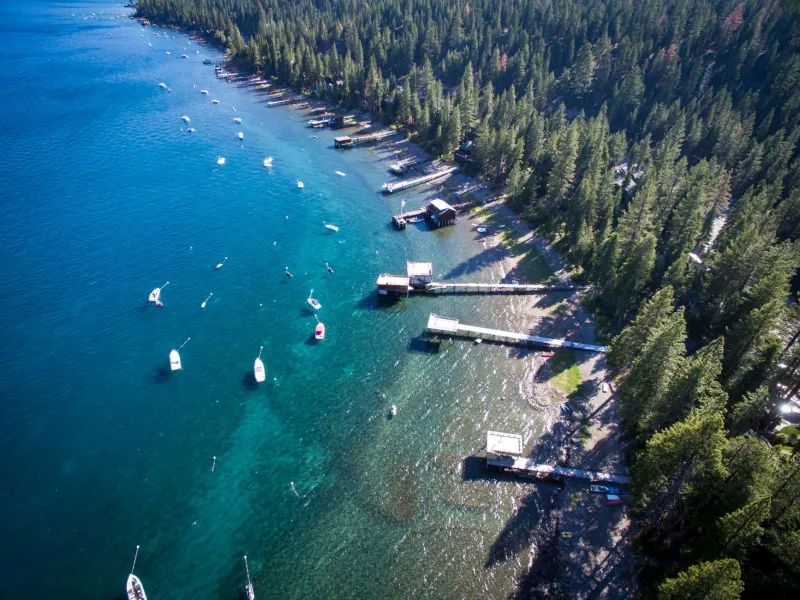
Photo: lakefront cabin rental dock autumn morning North Carolina lake, via i.ytimg.com
Buying a lake house at Spillway Bridge can feel wonderfully simple on a sunny Saturday. The water is glassy, the dock looks sturdy enough, and the drive up the hill seems shorter than you remembered. Then you sign, move in, and discover that the house has a completely different personality in February. That is the gap a trial rental is designed to close.
Renting for a full season before you buy is not a delay tactic. It is a research method. You are not just testing the house. You are testing the commute, the dock routine, the neighborhood calendar, the utility bills, and your own tolerance for a place that gets quiet when the summer crowd leaves. At a lake like Spillway Bridge, where the dam, the water level, and the road network shape daily life, that kind of test is worth more than another open house.
Why a Season Beats a Saturday
A weekend showing tells you what a house looks like when it is staged, the weather is cooperating, and nobody has to get to work on Monday. A season tells you what it feels like to live there. You learn how long the drive really takes when school buses are running. You find out whether the dock is usable after a rainstorm or a drawdown. You hear the neighbor's side-by-side at 7 a.m. on a holiday weekend. You see the power bill after a cold snap.
None of those things are deal-breakers by themselves. Together, they are the difference between a purchase you can live with and a purchase you keep trying to talk yourself into. A lease gives you permission to change your mind before the stakes get expensive.
What the Lease Really Reveals
The Commute You Actually Drive
Spillway Bridge roads can be scenic, winding, and a little slower than a map suggests. A trial rental lets you run the real route on a Tuesday morning, not just a Sunday afternoon. Try it in rain, in fog, and in the dark. If you work remotely, test the internet during a busy evening and during a storm. If you commute, pay attention to how the drive feels after a long day. A view is lovely. A view plus a frustrating commute is a different proposition.
Dock Access in Real Life
Ask yourself whether the dock is part of the lease, who maintains it, and what happens when the water level changes. A rental season shows you how often you actually use the dock, whether the walk down is easy enough for guests, and whether the shoreline gets muddy or difficult after rain. If you are renting a home without dock access, that season will tell you whether you are truly fine with launching a kayak from a public access or paying for a slip. Many buyers assume they will use the water constantly. Renters learn the truth.
Noise Has a Calendar
Lake neighborhoods have rhythms. Summer weekends bring boats, guests, and outdoor music. Fall brings leaf blowers and hunting-season traffic. Winter brings a kind of quiet that some people love and others find isolating. A short visit will not reveal any of that. A full season will. Spend time outside in the evening. Listen on a Saturday morning. Notice whether the noise you hear is occasional or baked into the neighborhood.
Utility Bills Tell Their Own Story
Lake homes often have electric heat pumps, well water, septic systems, and older windows. A landlord should be willing to share a twelve-month utility history, not just last month's bill. That history helps you budget for the cold months and spot a house that is drafty, poorly insulated, or running an aging system. It also gives you a realistic number to use when you calculate ownership costs later. A low asking price means little if the winter electric bill makes you wince every month.
Off-Season Social Life
Some buyers picture summer cookouts and neighbors on the dock. That can be real. But the off-season is where a community shows its character. Are there year-round neighbors? Is there a regular gathering, a volunteer group, or a informal coffee crowd? Or does the road go dark and quiet after Labor Day? Neither answer is wrong, but you should know which one you are buying into. A rental season gives you time to meet people and ask honest questions.
The Cold Snap Test
This is the part a summer rental cannot fake. After the first hard freeze, pay attention to condensation, drafts, heat pump performance, frozen exterior lines, and how quickly the house recovers after a power outage. Check the driveway and private road in bad weather. Look for ice dams, roof leaks, and windows that sweat. If the house is on a septic system, notice how it handles a full house of holiday guests. These are the issues that turn a charming lake cottage into a project.
Questions to Ask Before You Sign a Trial Lease
- Can I see a full twelve months of utility bills, including the coldest months?
- Is dock use included, and who is responsible for repairs after storms or ice?
- Are there road association fees, HOA dues, or shared maintenance costs?
- How is trash handled in the off-season, and is the road plowed or maintained in winter?
- What is the internet provider, and what speed can the house actually support?
- Are there known issues with water pressure, septic, heating, or seasonal flooding?
- Can I extend the lease for a second season if I am still deciding?
- What are the rules on guests, pets, boats, and parking?
Red Flags That Show Up After the First Cold Snap
A rental season is not just about confirming your dream. It is about catching problems while someone else still owns them. Watch for a heat pump that runs constantly but never quite warms the room. Look for moisture around windows and doors. Notice whether the driveway becomes a sheet of ice and whether anyone does anything about it. Pay attention to power reliability and whether the internet drops during storms. If the landlord gets defensive when you ask about winter utilities or dock maintenance, that is useful information too.
Turning a Rental Season Into Smarter Offer Terms
When you do move from renter to buyer, your season of experience should show up in the contract. Use the utility history to set a realistic monthly budget. Ask for an inspection that focuses on the dock, shoreline, septic system, HVAC, and drainage. If winter access or road maintenance is uncertain, make that a contingency or ask for seller credits. If the dock needs work, get a quote before you negotiate. A trial rental gives you credible questions, and credible questions lead to better terms.
Renting at Spillway Bridge before buying is not for everyone. If you already know the area, have owned a lake home before, and are comfortable with the trade-offs, you may be ready to move faster. But if you are new to lake living, or if you are buying with a partner who has a different picture of what weekends will look like, a full season is cheap tuition. You will spend some money on rent. You may save yourself from spending a lot more on the wrong house.