Concrete, Currents, and Community: How a Dam Built More Than a Lake
It Started With a River and a Lot of Grit
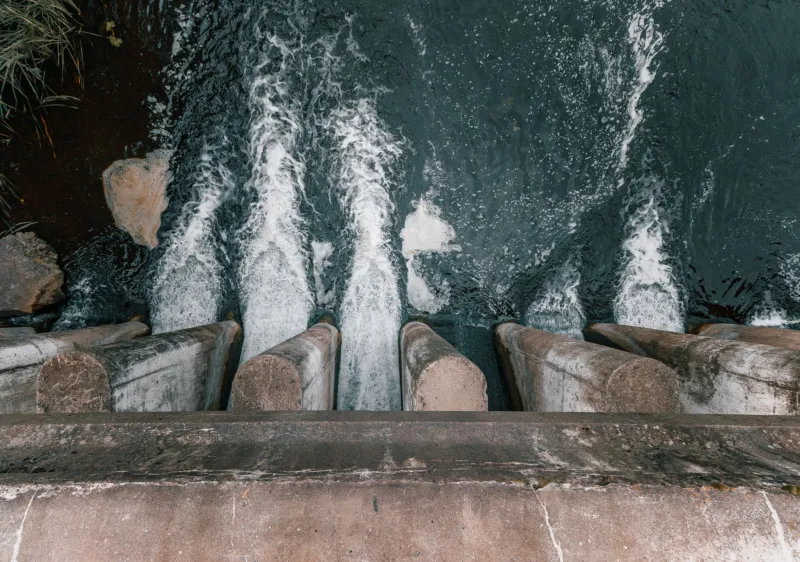
If you've ever idled your boat under the bridge on a July afternoon, you've passed over the reason this town exists. The spillway wasn't built for postcard views or waterfront property values. It was built to tame a river, generate power, and put a few hundred men to work during a stretch of American history when work was hard to come by.
The old-timers around here will tell you the story the same way every time: crews arrived in the late 1930s with little more than hand tools, mule teams, and a pay stub worth showing up for. They lived in tar-paper shanties and boarding houses near what's now the marina road. Many of them stayed long after the concrete cured.
The Photographs That Tell It Better Than Words
There's a framed photo behind the counter at the bait shop — grainy, black and white — showing the dam midway through construction. A forest of wooden scaffolding, a steam shovel balanced like a toy, and men in brimmed hats lining the crest like they were posing for a postcard nobody would send.
Local historian Ruth Calloway has spent years collecting these images. "People see the dam as scenery now," she told me over coffee at the diner. "But in those photos, it's a promise. These men believed they were building something permanent. Turns out they were right."
When the gates closed and the water began to rise, it swallowed family farmland, old roads, and a covered bridge that had stood since the 1800s. Some folks left bitter. Others packed their things and moved uphill — literally — to the ridges that now overlook the water.
From Worksite to Watering Hole
Here's the part of the story newcomers rarely hear: the lake didn't become beloved overnight. For decades after completion, it was simply a reservoir. Then came the fishermen.
Bass found the flooded timber, and word spread. By the 1960s, rods and tackle boxes outnumbered hard hats on summer weekends. Kids swam off the rocks near the outflow, ignoring every warning sign their parents pointed at. The bridge over the spillway became the unofficial town square — a spot to lean on a railing, argue about the weather, and watch the water tell you everything you needed to know about the week ahead.
"You could set your watch by the fishermen," laughs Earl, 81, who has lived within earshot of the outflow his whole life. "Dawn, dusk, and every Saturday in between. Still can."
The Homes That Followed the Water
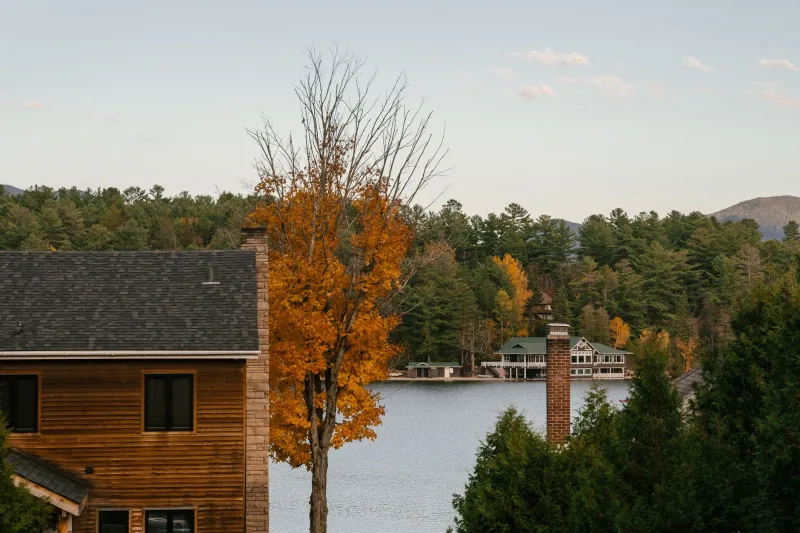
Real estate came last, and it came slowly. The first lakefront cottages were modest affairs — screened porches, cinderblock foundations, screen doors that slammed. They were fishing camps more than homes. But families kept coming back, and camps kept getting bigger.
By the 1990s, the transformation was unmistakable. Weekenders started asking about full-time living. Retirees followed. Then the remote-work wave of 2020 turned a quiet lake market into a full-blown rush, with buyers from Charlotte, Raleigh, and beyond discovering what locals had known all along: the view from the ridge is worth every penny.
Why the History Matters to You
If you're considering a move here, understanding the spillway isn't just trivia — it's orientation. This community was built by people who worked with their hands and stayed because they liked what they'd made. That sensibility still shows up everywhere: the volunteer fire department's fish fry, the church sign out front, the way a stranger will tow your stalled pontoon without being asked.
The dam gave us the lake. But the people — the builders, the fishermen, the families who moved uphill and stayed — gave us the town. That's the story under the bridge, and it's worth knowing before you call this place home.