Listening to the Dam: A Local's Guide to What the Spillway Is Really Saying

Photo by Photo by YC Siu on Unsplash on Unsplash
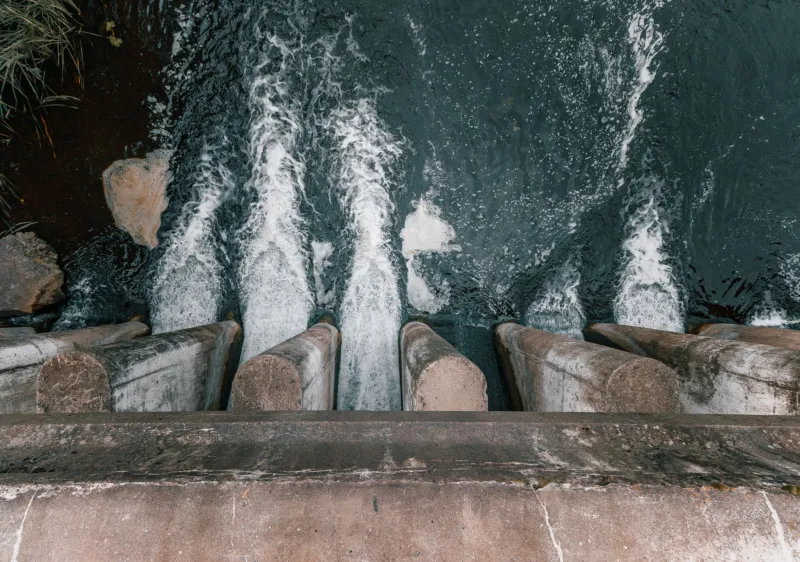
If you've lived around here long enough, you stop noticing the sound. But visitors always do — that deep, rolling rush that rises up when you cross the old bridge, louder or softer depending on the day. It's the spillway doing its job, and around Spillway Bridge, it might be the most under-appreciated information source in the county.
The Basics: Why the Water Roars (or Doesn't)
The spillway exists for one reason: to release excess water from the lake when levels climb too high, usually after heavy rain upstream. When gates open wide, you get the full-throated roar locals call "the dam talking." When it's dry weather and the lake sits at normal pool, the spillway can go nearly silent — just a trickle over the lip and the occasional drip echoing off the concrete.
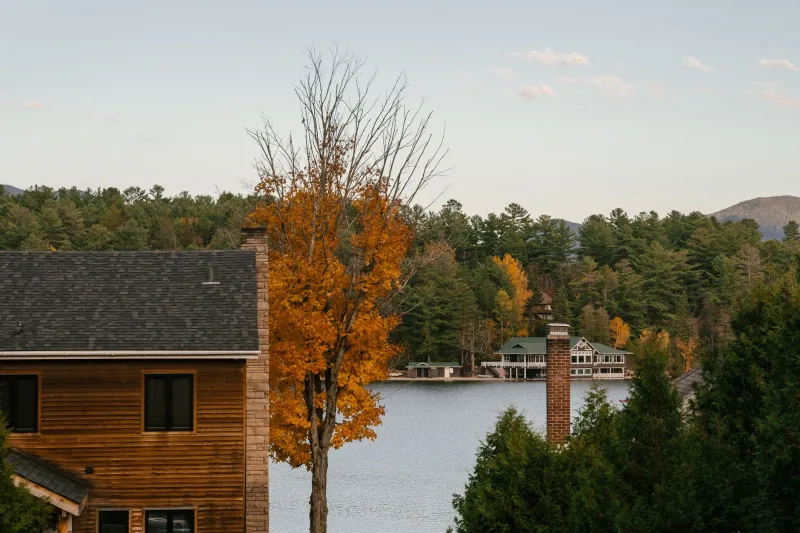
That volume dial matters. A wide-open spillway usually means the lake is above full pool, which affects everything from how much beach you have at the shoreline to how fast the current runs below the dam.
What the Locals Hear
Ask around the bait shop or the gas station and you'll get a whole folk science of spillway reading.
"When she's roaring two days straight, I know the fish are going to stack up below the dam," says Earl, who's fished the tailrace since the '80s. Moving water pulls bait downstream, and the bass and catfish follow. Some of the best fishing of the year happens in the 48 hours after a big release — right when the water is churning, cold, and full of confused shad.
Boaters read it differently. A silent spillway in summer usually means stable, predictable lake levels — great for planning a weekend on the water. A chattering spillway in July means the lake's up, docks are sitting high on their floats, and stumps and shoals that are normally visible might be just under the surface.
And then there's the real estate crowd. "Buyers who've done their homework ask about the spillway," one local agent told us. "The ones who don't are sometimes surprised when a spring release turns their 'private beach' into a mudflat for a week." Understanding the draw-down cycle — how far the lake drops in a normal year versus a drought year — is one of the smartest questions you can ask before making an offer on a lakefront place.
A Rough Field Guide to Spillway Sounds
- Barely a trickle: Normal pool, dry weather. Fishing's steady, boating's predictable.
- Steady rush: Recent rain, lake a few inches high. Good tailrace fishing, watch for floating debris.
- Full roar: Big release. Lake's dropping fast — shorelines will emerge over the next few days, and the fishing below the dam can be outstanding.
- Silence in a wet week: Unusual. Worth asking about — sometimes gates are under maintenance.
More Than Noise
The spillway is the reason this community has its name, and honestly, its rhythm. It sets the pace for fishing tournaments, dock repairs, and even when the marina fills the slips. Learn to read it and you'll feel less like a visitor and more like a local — which, around here, mostly means knowing when to cast and when to stay off the water.