When the Lake Steps Back: A Buyer's Field Notes on the Winter Drawdown at Spillway Bridge
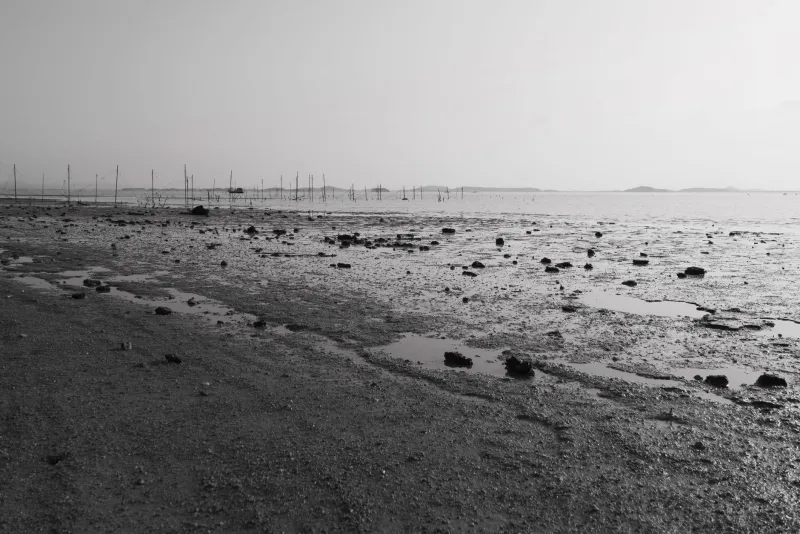
There’s a stretch of shoreline near Spillway Bridge that looks like a different property in November than it does in July. The water pulls back, the mudflats show themselves, and the bank stops pretending. For buyers, that’s not a problem. It’s an opportunity—one that closes up again once the lake climbs back toward its summer range.
As of early November 2026, we’re in that window. If you’re shopping for a lake place, or already own one and have been meaning to check on the shoreline, this is the season to walk it slowly. The lower waterline exposes things that a summer showing simply cannot: old dock footings, eroding banks, buried debris, failing retaining walls, and the actual shape of the lot under all that pretty water.
Why the Waterline Moves—and Why That’s Useful
A managed lake rises and falls. That’s normal. The winter drawdown is part of the rhythm, giving shorelines a breather and giving homeowners a chance to do work that’s impossible when the water is high. But for a buyer, the drawdown is also a free inspection—a chance to see the property without its summer makeup on.
What you’re looking for isn’t perfection. Shorelines move. Banks soften. A little muck is not a dealbreaker. What you want is honesty: does the shoreline look like it’s been maintained, or does it look like it’s been ignored? Are there signs of sudden failure, or just the slow, ordinary work of water and weather?
The Shoreline Audit: What to Look For
Start at the water’s edge and work uphill. The first thing to notice is the bank itself. Look for steep, raw scars where soil has slid away—especially near the corners of a lot or where the shoreline turns. A small scarp is common. A wall of exposed roots and crumbling dirt is a conversation.
Next, look down. Old dock footings, concrete blocks, pipes, and chunks of broken retaining wall have a way of surfacing when the water drops. Some of that is just history. Some of it is a hazard. If you see metal stakes, wire, or broken concrete in the mud, ask what’s buried there and who is responsible for it.
Then look at the retaining walls. A wall that’s leaning, cracked, or missing sections is not a cosmetic issue. Replacing shoreline stabilization is expensive, and permits can take time. If the wall is failing, you want to know now—not after closing.
Finally, look at the lot’s shape. The drawdown reveals where the usable ground actually is. That flat spot you loved in summer might be a seasonal mudflat. The path to the dock might cross a low area that holds water. The neighbor’s dock might be closer to the property line than it appeared from the water. These are the details that matter for how you’ll actually use the place.
Photograph Like You’re Building a Case
Bring your phone and take more pictures than you think you need. Wide shots of the whole shoreline. Close-ups of cracks, exposed pipes, and odd debris. A shot standing at the waterline looking up the bank. A shot standing at the house looking down. Include something for scale—a shovel, a boot, a tape measure.
If you’re serious about a property, note the date and the approximate water level. Take a short video walking the shoreline. This isn’t about being paranoid. It’s about having a clear record of what the property looked like when the water was low, so you can compare it to what the seller says and what your inspector finds.
The Questions Worth Asking Before Spring
Once you’ve walked the shoreline, take your list back to the seller or the listing agent. Keep it simple and specific. Has the shoreline ever been stabilized? If so, when, and were permits pulled? Are there any known erosion issues, and has the bank been surveyed? What’s the story with the old dock footings or debris in the mud? Is there a maintenance agreement or HOA rule about shoreline work?
Ask about insurance, too. A lower waterline can reveal a bank that’s closer to the house than it looked in summer. That’s worth a conversation with an insurer before you fall in love with the view.
And ask about the dock. If the water is low, you may be able to see the pilings and the shoreline connection more clearly. Is the dock permitted? Is it seasonal or permanent? Does it need work? These are the questions that turn a pretty showing into a realistic purchase.
A Window, Not a Verdict
None of this replaces a professional inspection or a contractor’s opinion. But the drawdown gives you something a summer walk cannot: a clear look at the bones of the property. Use it. Take notes. Ask questions while the evidence is still visible.
By spring, the lake will come back up, and the shoreline will go back to looking like a postcard. That’s fine. You’ll know what’s underneath.